Interior Design trends for 2026
Trend reports are everywhere right now. Everyone is predicting what is next, what is in, what is out in interior design trends for 2026.
We are the ones they are watching. Clients come to us for direction, for what actually works, and more importantly, for what still feels right long after the moment has passed.
Yes, we pay attention to interior design trends. Of course we do. But we do not follow them. We set them. And every single idea still gets filtered through one question. Will this feel right in ten years?
Because we are not designing for moments. We are designing for real life. For how a space feels on a Tuesday morning. For how it holds up over time. For how it reflects the people living in it, not whatever is circulating online.
The 2026 home design trends we are seeing are interesting, not because they are new, but because they are tapping into something deeper. Florals and pattern. Antiquities layered with modern design. Warmth and expression. Curated maximalism.
These are not trends to copy. They are signals. And when you really look at them, they are all pointing to the same thing. A home that actually feels like yours.
Floral Wallpaper and Pattern Revival: How to Use This Trend Without Dating Your Space
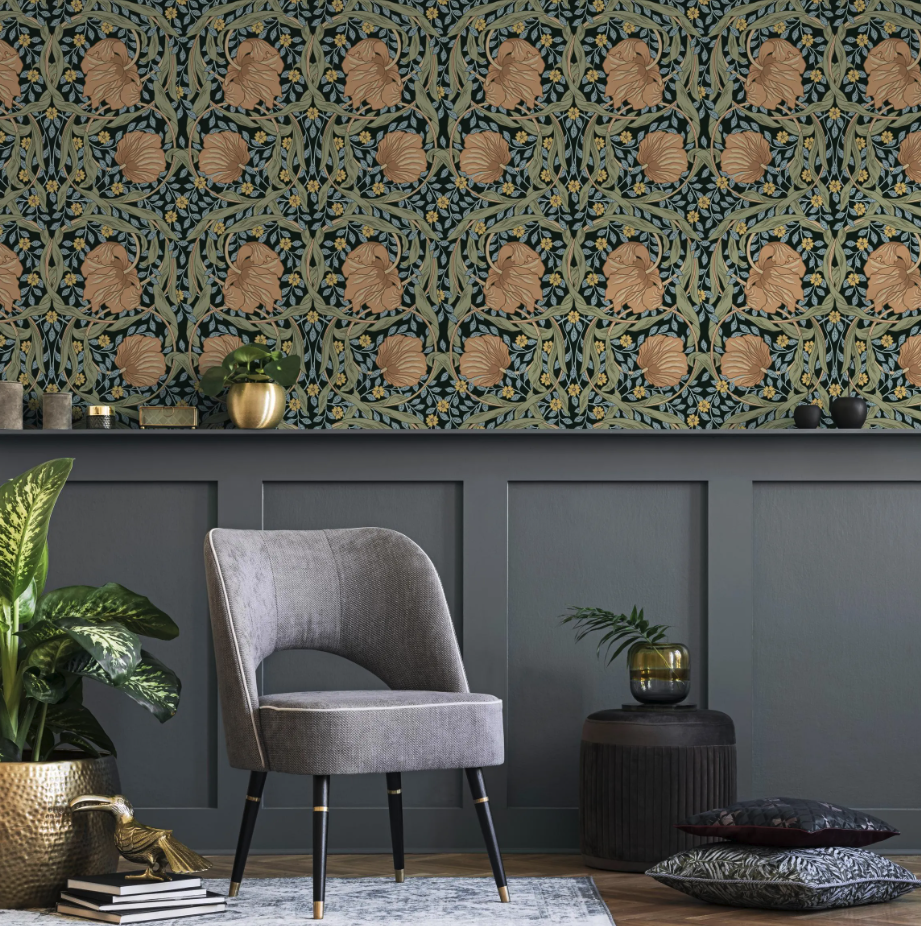
William & Morris
How to Use Pattern Without Losing the Room
One of the most talked-about interior design trends right now is the return of pattern, especially in floral wallpaper interior design.
But this is not about going backwards.
What people are calling “Grandma Chic” is really about confidence. Pattern-rich interiors that feel personal and expressive, not themed or overly nostalgic.
The difference comes down to restraint.
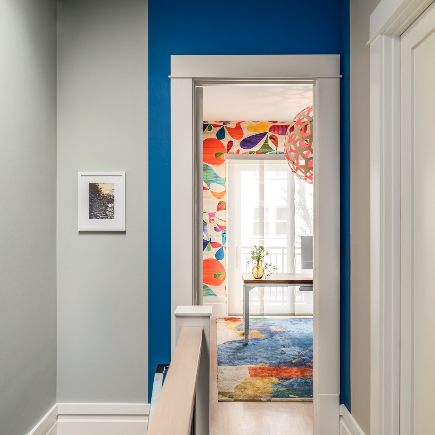
Pattern has to be intentional. It cannot just exist in the background. The scale, the colorway, and where it lives in the room all matter. When done right, a bold botanical print layered into a clean contemporary interior design framework creates a kind of tension that makes the space feel alive.
This is where sourcing matters. We often turn to Gracie Studio and William Morris & Co. because their work carries both artistry and history. There is a depth there that keeps the space from feeling temporary.
Before committing to any pattern, we always come back to one question. Does this tell a story about the people who live here, or is it just filling space? If it is just filling space, it does not belong.
Where Pattern Earns Its Place (and Where It Does Not)
Pattern needs structure to succeed. It works best in spaces that can hold it, where it can anchor the room instead of competing with everything else.
We tend to lean into pattern in more intimate spaces such as libraries, primary bedrooms, powder rooms, breakfast nooks, and sitting rooms. These environments allow pattern to fully express itself without interrupting the overall flow of the home.
In larger, open-plan layouts, the approach shifts. Too much pattern can fragment the space instead of defining it, especially within more transitional interior design environments where balance is key.
Antique and Modern Interior Design: Why the Best Spaces Look Curated, Not Decorated
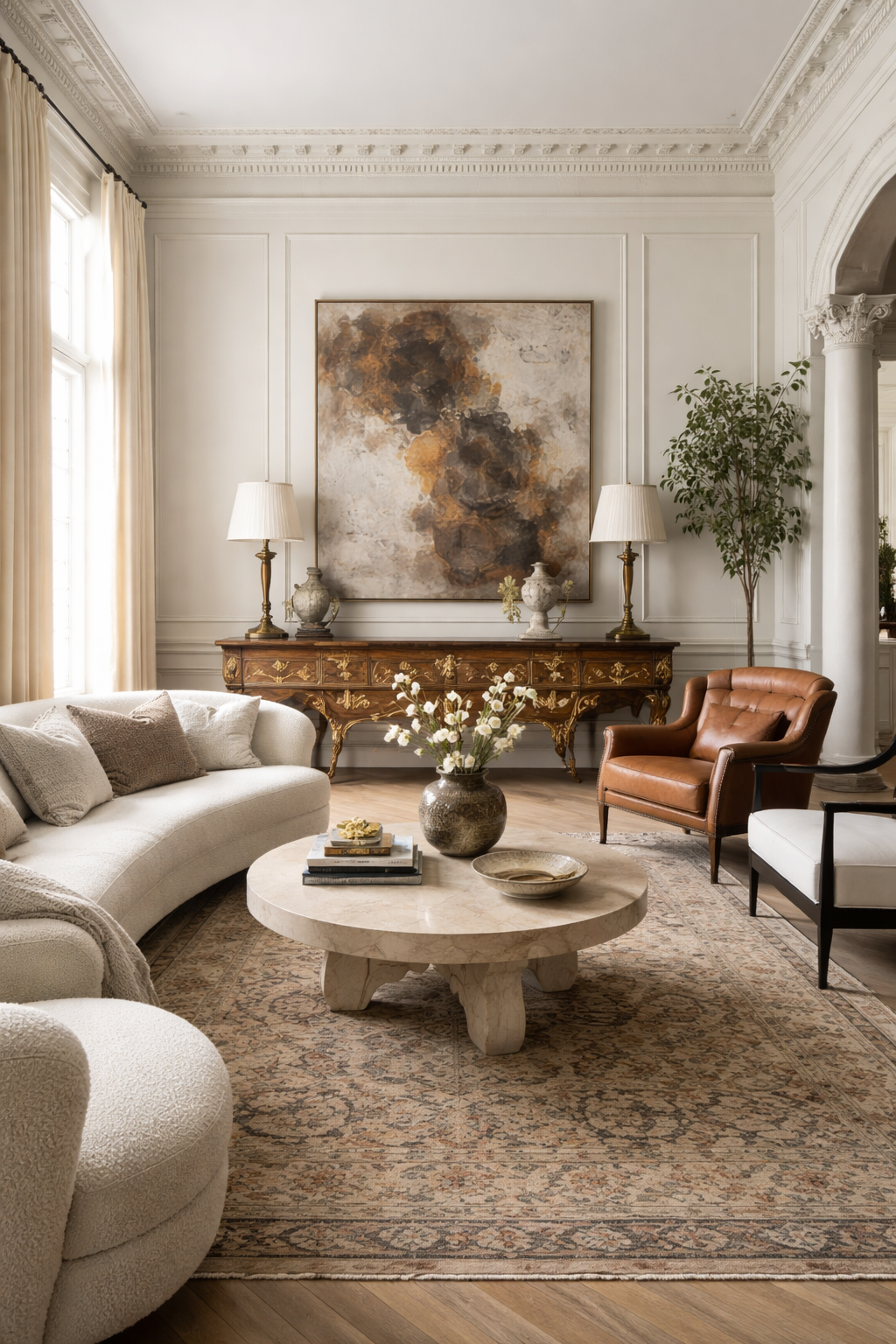
What the Modern Heritage Movement Is Really About
Among the most compelling interior design trends for 2026 is the blending of antique and modern elements.
The most interesting spaces today do not feel brand new. They feel collected. Layered. As though they evolved over time rather than being installed all at once.
This is what we think of as Modern Heritage.
There is a particular kind of depth that happens when an 18th century console sits beneath contemporary artwork, or when a sculptural modern chair is placed next to a worn wood table. Each piece becomes more interesting because of the contrast.
Antique elements bring patina, craftsmanship, and a sense of history. Modern design brings clarity and restraint, preventing the space from feeling overly nostalgic.
This contrast is not accidental. It is a deliberate design move that creates richness you cannot achieve with a single era alone.
How Loczi Integrates Antique and Vintage Pieces
We actively source antique and vintage pieces for our clients, not as decorative additions, but as anchors.
Often, a single piece becomes the emotional center of the room. It informs the rest of the design and creates a sense of grounding.
For clients who already have meaningful or inherited pieces, those are never treated as limitations. They are the beginning of the story.
But this approach requires editing. Not every antique belongs in every space, and not every modern piece complements age. The pairing has to be thoughtful.
That is what allows these interiors to age gracefully. When a space is not tied to a single moment in time, it continues to feel relevant long after trends shift.
Warm Minimalism Is Not a Trend: It Is What Minimalism Should Have Been All Along.
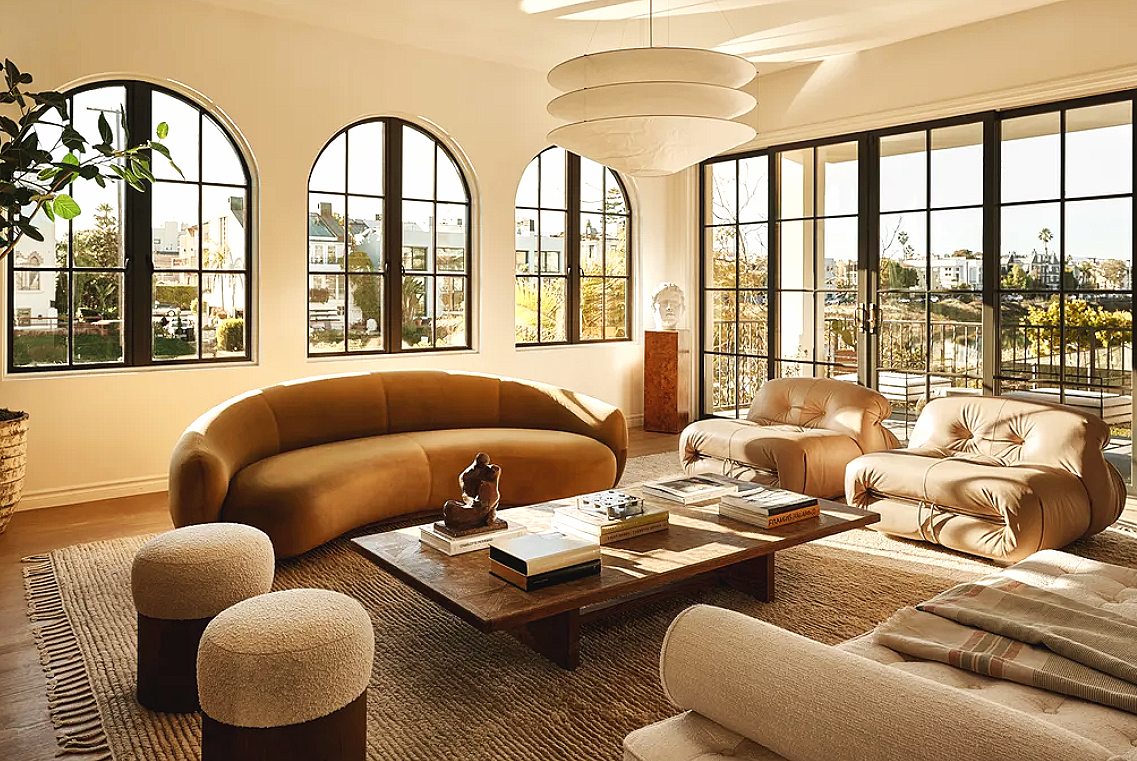
Why Cold Minimalism Could Not Last
For over a decade, minimalism dominated contemporary interior design. Clean, white, and highly restrained spaces defined what many considered aspirational.
But very few people could live in them comfortably.
They felt cold. Untouchable. A little disconnected from real life.
What we are seeing now in warm minimalism interior design is not a rejection of minimalism, but a refinement of it.
You can still be intentional and edited, but now there is warmth, texture, and depth layered in.
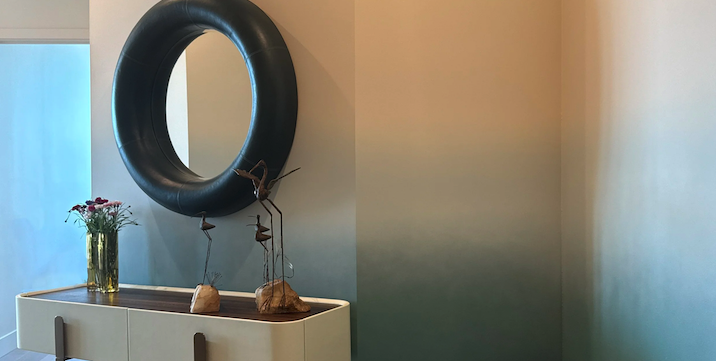
Materials are leading this shift. Limewash walls, natural stone, worn leather, bouclé, linen, and aged brass all introduce softness and tactility. These are elements that invite interaction. They make a space feel lived in, not staged.
Why Warmth Makes a Design Last Longer
Warmth fundamentally changes how a space feels over time.
Spaces that feel cold tend to wear on people. Spaces that feel warm tend to hold them. They are easier to return to, easier to live in, and ultimately more satisfying.
There is also a practical advantage. Warm, layered interiors photograph beautifully and create an immediate emotional connection, which matters in both everyday living and resale scenarios.
This approach has always been central to how we design. The shift happening in 2026 interior design trends is not a new direction for us. It is confirmation of what has always worked.
Maximalist Interior Design in 2026: How Personal Storytelling Creates Spaces That Cannot Be Replicated
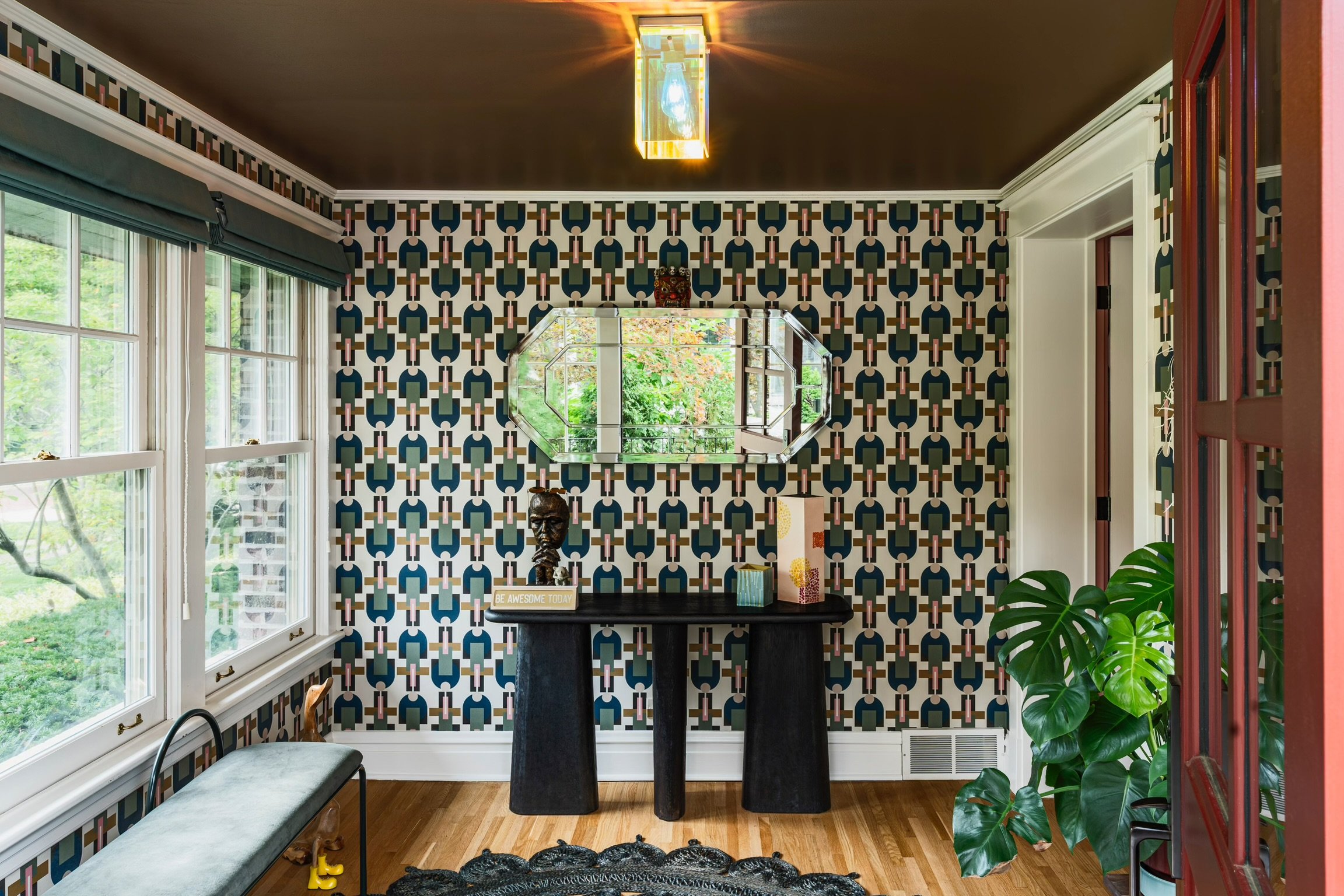
Designed by Paige Loczi
Curated Maximalism vs. Clutter: The Distinction That Matters
Maximalist interior design is having a resurgence, but not in the way people often assume.
There is a version of maximalism that feels chaotic and overwhelming. That is not what we are interested in.
Curated maximalism is something entirely different.
It is layered, but intentional. Personal, but edited. It is built on meaning, not volume.
It shows up in the details. Art with a story. Objects that were collected over time. Textiles that were sourced with care.
The distinction comes down to curation. Every piece has to earn its place.
How Loczi Designs for Personal Storytelling
This begins well before the design phase.
Our process is built to understand the person behind the space. Their history, their references, the things they are drawn to, and the things they hold onto.
From there, those elements are integrated into the design from the beginning. Not added later as decoration.
Sculptural objects, personal collections, and one-of-a-kind pieces become part of the foundation of the space.
For clients creating a forever home, this is where the work becomes deeply personal. The result is an interior that cannot be replicated because it was never designed to follow a trend.
2026 Interior Design Trends: What They Have in Common and Why the Best Ones Will Still Feel Right in 2036
When you step back, the most meaningful interior design trends all point to the same core ideas. Pattern, history, warmth, and personal story.
These are not passing ideas. They are the elements that have always made a home feel complete.
We are not interested in designing spaces that look good for a moment and feel empty to live in. Every decision is made for the person who will experience that space every day for years to come.
If these 2026 home design trends reflect how you are thinking about your home, we would love to explore what they could look like in your space.