Luxury Wellness Room Design: Saunas, Cold Plunge Pools and Meditation Spaces
Most people start this conversation thinking about saunas or cold plunges as add-ons. Features. Something you tack on once the house is done.
That’s usually where things go wrong.
A well-designed wellness space isn’t a collection of amenities. It’s a reflection of how you want to feel in your home every single day. When it’s done right, it doesn’t stand apart from the architecture. It becomes part of it.
That shift in thinking is where the design actually begins.
The Rise of At-Home Wellness Spaces in Luxury Homes
We’ve watched this change happen in real time. What used to be a “home gym” conversation has turned into something much more personal.
Clients aren’t just asking where they can work out. They’re asking how their home can support recovery, mental clarity, and daily rituals that actually stick.
Post-pandemic, that mindset accelerated. People started paying closer attention to how their environment affects how they feel. Not just physically, but mentally. And once you see that, it’s hard to ignore.
That’s why high end residential interior design is moving toward fully integrated wellness environments. Not a treadmill in the corner. Spaces that feel closer to a private spa, but still belong in the home.
Home Sauna Design and Cold Plunge Pools: Designing a Contrast Therapy Space That Feels Like Architecture
If you’re thinking about a home sauna design or a cold plunge pool, you’re really talking about contrast therapy. Heat and cold. Activation and recovery.
But the biggest mistake we see is treating each piece separately.
What matters most is how the space flows.
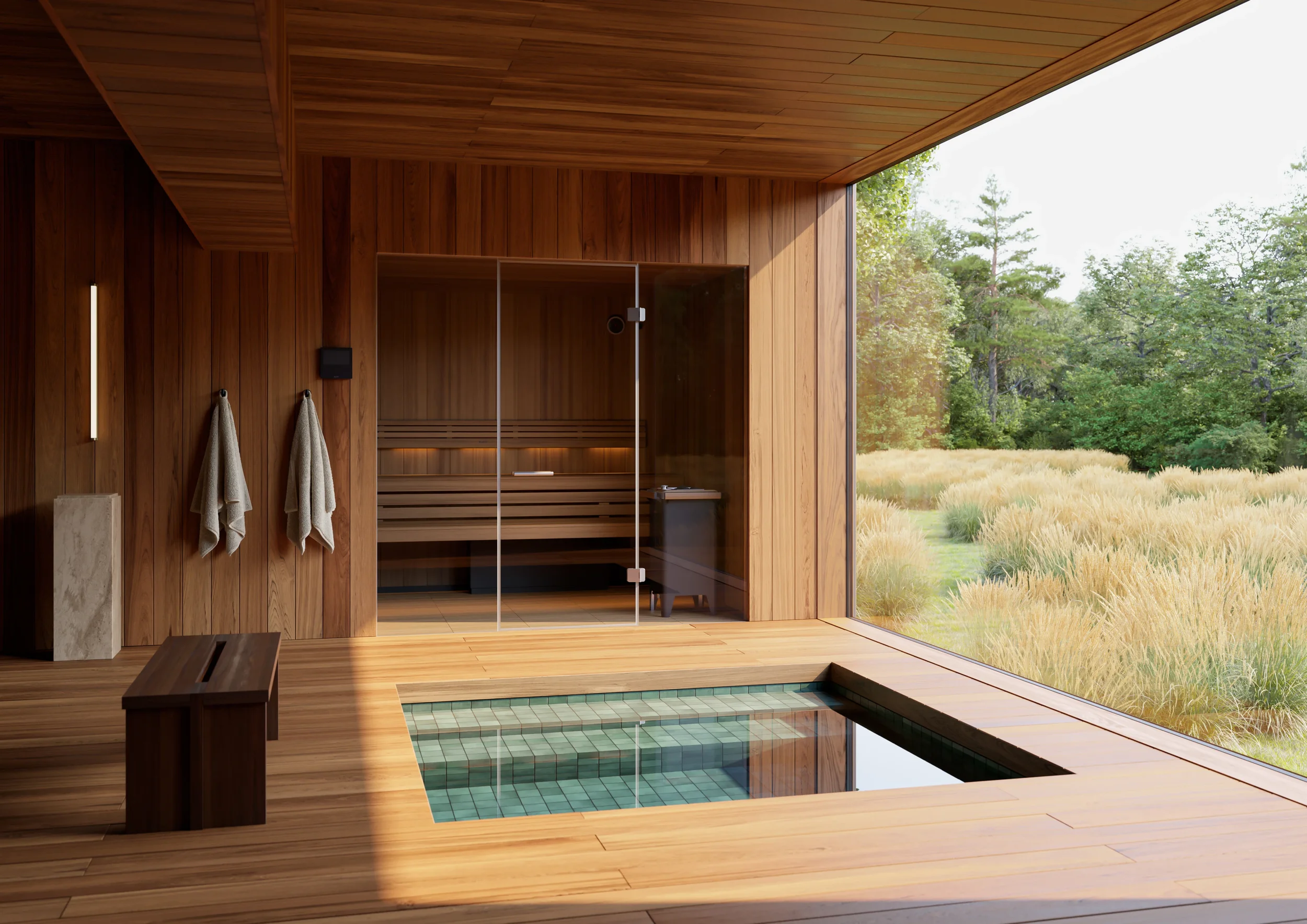
The experience should feel intuitive. You move from heat to cold without thinking about it. The sequence makes sense. You’re not walking across the house dripping wet trying to find the plunge.
This is where design does the heavy lifting.
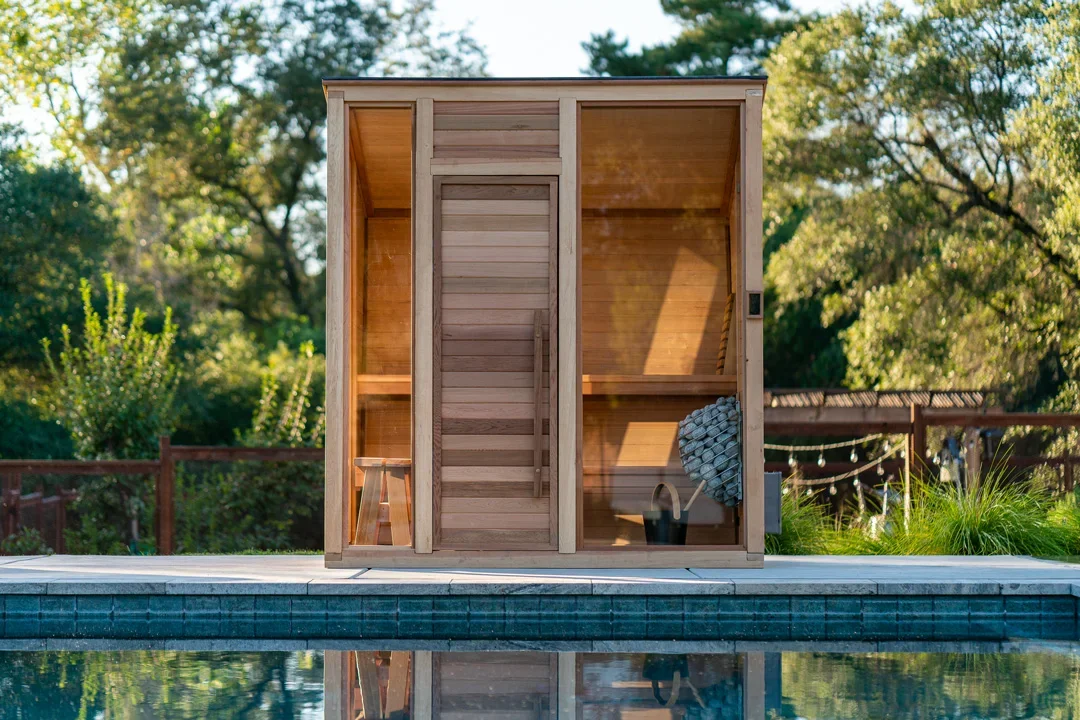
Image courtesy of Plunge
Sauna and Cold Plunge Layout and Spatial Planning
Proximity matters. A lot.
The closer these elements are, the more likely they’ll actually be used the way they’re intended. We design these spaces so the transition feels natural. Almost automatic.
It’s not about creating zones. It’s about creating a rhythm.
Infrared vs Traditional Sauna Design Considerations
This isn’t just a wellness decision. It’s a design decision.
Infrared saunas tend to be more flexible in terms of installation and footprint. Traditional saunas bring a different material and spatial presence. More enclosure, more heat retention, more architectural weight.
Neither is “better.” But each one pushes the design in a different direction. That’s where we help guide the choice so it fits the overall home.
Cold Plunge Pool Design Options for Residential Homes
Cold plunges can be built in or brought in.
In-ground options feel more permanent and integrated. Freestanding units offer flexibility, especially in tighter spaces.
Indoor versus outdoor matters too. Outdoor plunges can connect beautifully to a garden or landscape. Indoor setups require more attention to drainage, humidity, and long-term maintenance.
Again, it’s not about the product. It’s about how it lives within the space.
Designing the Transition Space Between Heat and Cold
This is the part most people skip. It’s also the part that makes everything work.
You need a place to pause. Sit. Reset.
That could be a simple bench, a warm surface underfoot, soft lighting that doesn’t shock your eyes. These in-between moments shape the experience just as much as the sauna or plunge itself.
Plumbing, Ventilation and Material Planning
This is where early planning really matters.
Drainage, ventilation, and moisture control are not things you want to figure out later. If they’re not handled properly, they’ll show up as problems down the line.
We coordinate this early with the builder and trades so the space performs the way it should for years, not just day one.
Wellness Room Interior Design: Materials, Lighting and Acoustics
Once the layout is working, the next layer is how the space feels.
This is where materials, lighting, and sound come into play.
Natural Materials That Define Wellness Spaces
We lean heavily into natural stone interior design, wood, and textured finishes like limewash.
These materials age well. They feel grounded. They don’t fight for attention.
There’s a calm that comes from using materials that already feel familiar to the body.
Lighting Design for Relaxation and Recovery
Lighting can ruin a wellness space faster than anything else.
We avoid harsh overhead fixtures. Instead, we use indirect, layered lighting that feels soft and controlled.
You should be able to walk into the space and immediately feel your body slow down.
Acoustic and Sensory Design for Calm Spaces
Quiet matters.
That means thinking about sound absorption, background noise, even how sound travels between rooms.
Sometimes it’s about reducing noise. Sometimes it’s about adding the right kind of ambient sound. Either way, it’s intentional.
Because if you’re being honest… do you really want to hear the kids arguing over the last chicken nugget?
Meditation Room Design Ideas for Luxury Homes
Not every wellness space needs a full room. But every home benefits from having a place to be still.
Meditation room design is less about decoration and more about restraint.
Dedicated Meditation Rooms vs Flexible Wellness Spaces
Some clients want a dedicated room. Others carve out a corner within a larger space.
Both can work. What matters is that the space feels defined. It has a purpose.
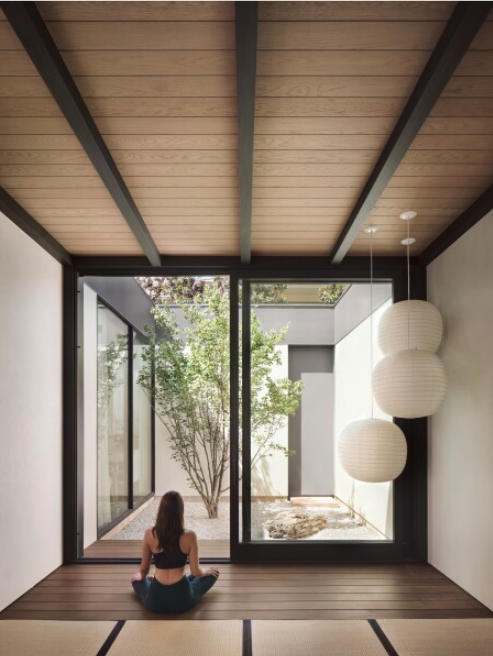
Designing for Stillness Through Light, Proportion and Texture
We keep things simple.
Soft light coming from the side. Balanced proportions. Materials that don’t demand attention.
You’re removing distractions, not adding features.
Biophilic Design and Nature Integration
Biophilic interior design plays a big role here.
Natural light, plants, organic materials. Even subtle connections to the outdoors can shift how a space feels.
A well-executed biophilic design home doesn’t feel staged. It feels lived in and connected.
Indoor-Outdoor Wellness Integration
Some of the best wellness spaces extend beyond the walls of the house.
A sauna that opens to a garden. A plunge that sits just outside a covered patio. Fresh air, natural light, and movement between inside and out.
That connection changes everything.
Does a Wellness Room Increase Home Value, ROI and Longevity?
Short answer. Yes. But only if it’s done well.
ROI of Sauna, Cold Plunge and Wellness Features
Buyers are starting to expect these spaces, especially at the high end.
But they can tell the difference between something thoughtfully designed and something added as an afterthought.
Integration is what drives value.
Designing for Long-Term Living
This is where things get interesting.
Wellness spaces naturally align with aging-in-place design. Wide transitions, non-slip surfaces, proper bench heights, easy access.
When done right, these spaces work just as well at 75 as they do at 45.
Wellness as a Lifestyle Investment
The real return isn’t just resale.
It’s daily use.
If the space is easy to use and feels good to be in, it becomes part of your routine. That’s where the value shows up.
Designing a Personalized Wellness Space
The best wellness spaces are the ones that feel completely natural within the home.
They don’t look clinical. They don’t feel separate.
They support the body over time without calling attention to themselves.
That means thinking about every detail early. From layout to materials to how the space connects to the rest of the house.
This is one of the biggest shifts we’re seeing in high end residential interior design right now. Homes are being designed not just for how they look, but for how they support people over decades.
Wellness Is the Future of Luxury Home Design
The clients who end up with the best results are the ones who treat this as a design decision from the very first conversation.
Not something to figure out after the plumber is already on site.
If you’re starting to think about your home as a wellness environment, that’s exactly where we come in.
FAQ
What is a wellness room in a luxury home?
A wellness room is a space designed to support recovery, relaxation, and mental clarity. It often includes features like saunas, cold plunges, and meditation areas, but the design focuses on how the space feels and functions day to day.
What is contrast therapy and how does it work at home?
Contrast therapy involves alternating between heat and cold, typically using a sauna and a cold plunge. At home, it works best when the layout supports a natural flow between the two.
Is a sauna and cold plunge worth it for a home?
Yes, if it’s designed properly. When integrated into the home, these spaces are used more often and can add both lifestyle value and resale appeal.
How much does it cost to build a home wellness space?
Costs vary widely depending on scope, materials, and integration. Early planning with a design team helps control both budget and outcome.
Do wellness rooms increase home value?
They can, especially in luxury markets. The key is thoughtful design and integration, not just adding features.