How We Incorporate ADUs Into Overall Home Design
There’s a moment every homeowner hits when thinking about an ADU (Accessory Dwelling Unit). It usually sounds like this: Where do we even start? How much is this going to cost? And is it going to look like an afterthought?
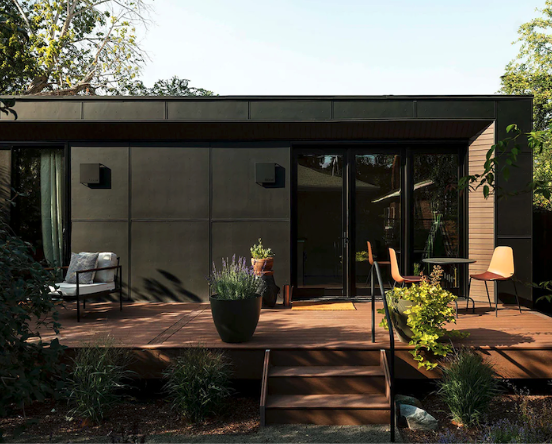
Here’s the shift most people don’t realize yet: An ADU isn’t a construction project that happens to involve design. It’s a design project that requires construction.
That one mindset change is the difference between something that feels tacked on and something that feels like it was always meant to be there.
What Homeowners Should Consider Before Building an ADU
How Your ADU’s Purpose Shapes the Design
Before layout. Before permits. Before budget. What is this space actually for? Because a rental unit, a guest house, and a space for your parents? Those are three completely different design conversations.
Rental income → durability, flexibility, broad appeal
Guest house → comfort, privacy, a little more personality
Multigenerational living → accessibility, sound control, emotional comfort
Home office or studio → focus, light, separation from the main home
And no, these aren’t small differences. They affect everything:
how the layout flows
how sound travels
what materials we choose
how private (or connected) the space feels
When this is clear from day one, every decision after that gets sharper. More intentional. More aligned.
How Much Does It Cost to Build an ADU?
Let’s talk about the question everyone is thinking.
In San Francisco, ADUs typically land higher due to permitting, labor, and site complexity. In Sacramento, costs are more moderate but still vary widely depending on the project.
A few things that move the needle quickly:
Garage conversion vs. new construction (conversions are significantly less)
Site conditions (grading, access, existing structure)
Utility connections
Finish level (this is where design really shows up)
Permit fees (SF alone can range from ~$3,000 to $15,000)
But here’s the part most people underestimate: The design phase, typically 8 to 15% of your total project cost, is what determines how everything feels at the end. Cut corners there, and you feel it everywhere.
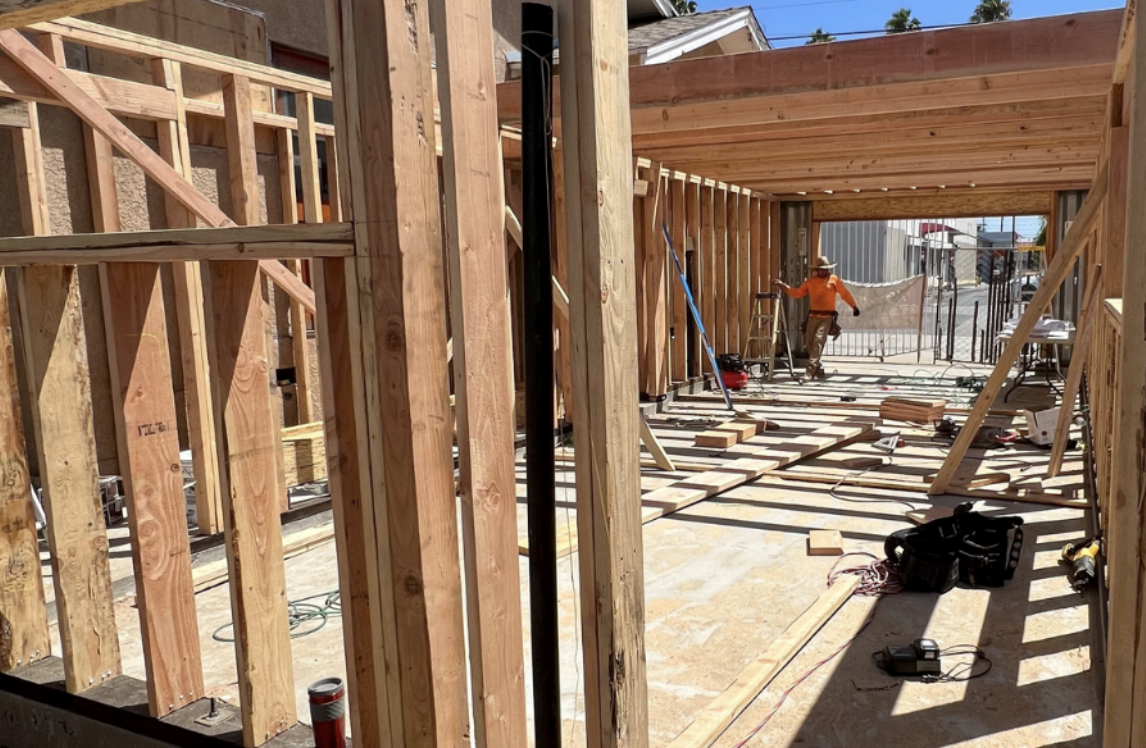
How Long Does It Take to Build an ADU?
Short answer: longer than you think but smoother when done right.
For a custom ADU:
12 to 18 months total from first conversation to completion
Breakdown:
Permitting:
3 to 6 months in San Francisco
2 to 4 months in Sacramento
Construction:
4 to 6 months after permits are approved
Garage conversions can move faster, sometimes 8 to 10 months total. And here’s where strategy matters: Starting with a designer (not a contractor) often shortens the timeline.
Why? Because complete, thoughtful plans move through permitting with fewer revisions. Less back and forth. Fewer surprise
Permits and Zoning Requirements in San Francisco & Sacramento

Understanding local ADU regulations in California is key to a successful project. While statewide efforts have made ADUs more accessible, the process is far from simple. Each city—whether San Francisco or Sacramento—has its own set of requirements, often layered with neighborhood-specific nuances that can quietly complicate things. From size limits to setback rules, every property comes with its own parameters, including whether the ADU is detached or attached, as well as height restrictions and required distances from property lines. Rather than limiting the design, these constraints can actually shape more thoughtful, refined outcomes when approached intentionally.
For homes located within an HOA, historic district, or particularly design-sensitive neighborhood, there’s an additional layer of approval to navigate—making cohesive, context-driven design even more important. At that point, it’s not just about building a new space, but ensuring it feels seamlessly integrated into its surroundings. Permitting is often where projects slow down, not because it’s overly difficult, but because submissions are incomplete or unclear. Working with a design team from the outset helps streamline this process through well-prepared drawings, fewer revisions, and more effective communication with planning departments—ultimately leading to a smoother, faster path to approval.
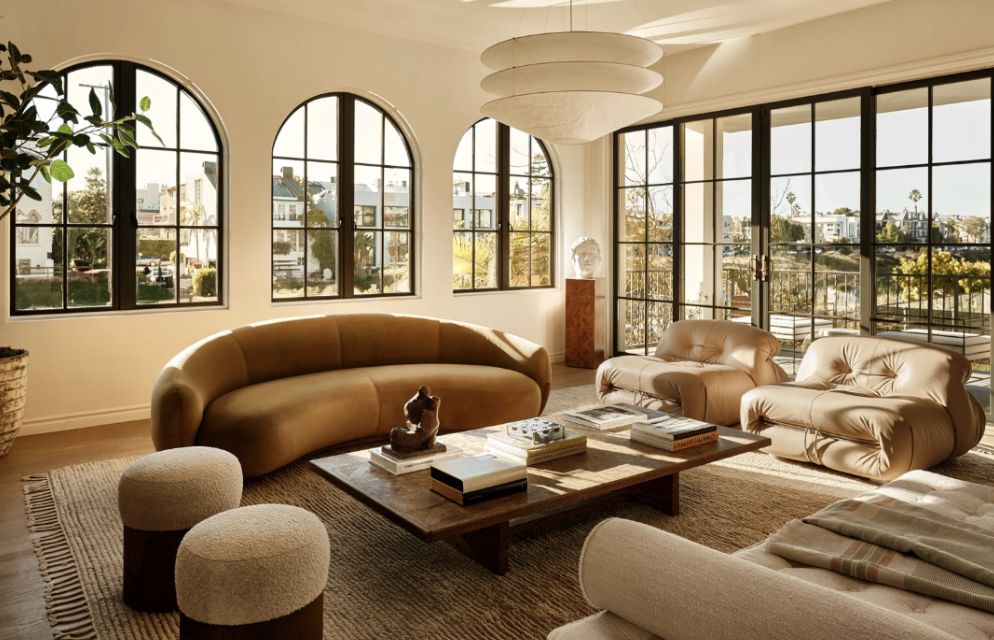
Maximalist Interior Design in 2026: How Personal Storytelling Creates Spaces That Cannot Be Replicated
Curated Maximalism vs. Clutter: The Distinction That Matters
There is a type of interior that looks perfect and says nothing. No personality. No history. No point of view. We have never been interested in that. Curated maximalism is the opposite.
It is:
art with a story
objects that came from somewhere
textiles that took time to find
But more does not mean everything. Curation still matters. The difference between layered and cluttered is intention. Every piece has to earn its place.
How Loczi Designs for Personal Storytelling
This starts before design even begins. Our process is built to understand:
where you have been
what you hold onto
what actually matters to you
From there, we build around it. Sculptural objects, personal collections, one-of-a-kind pieces. These are not added at the end. They are part of the design from the beginning. For clients creating a forever home, this is where things get personal. This is where we design something that could not belong to anyone else. And those are always the spaces that last.
Because they were never trying to be in style.
They were just right.
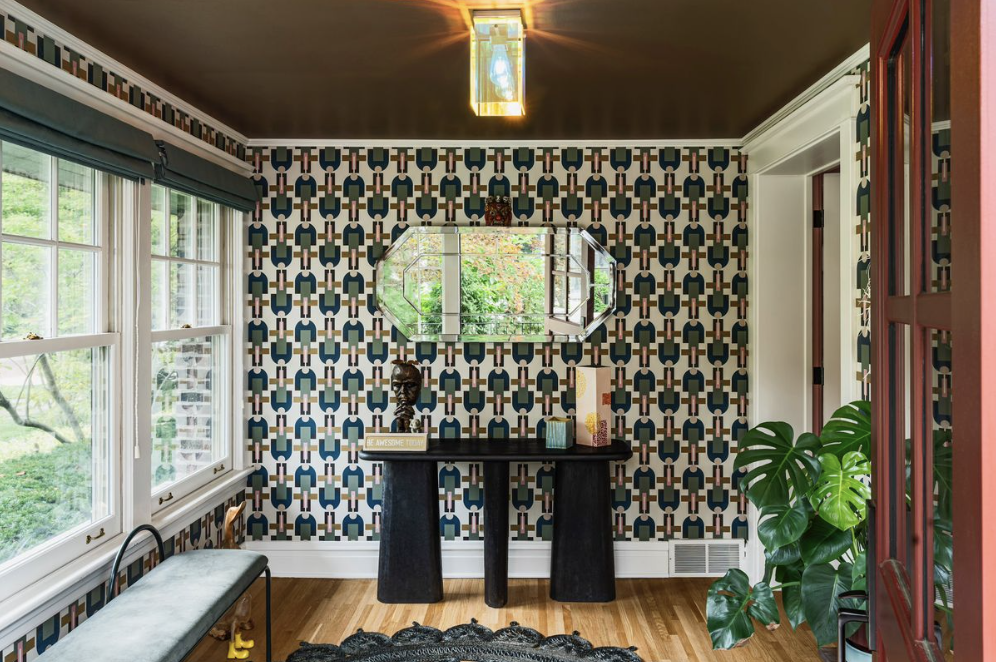
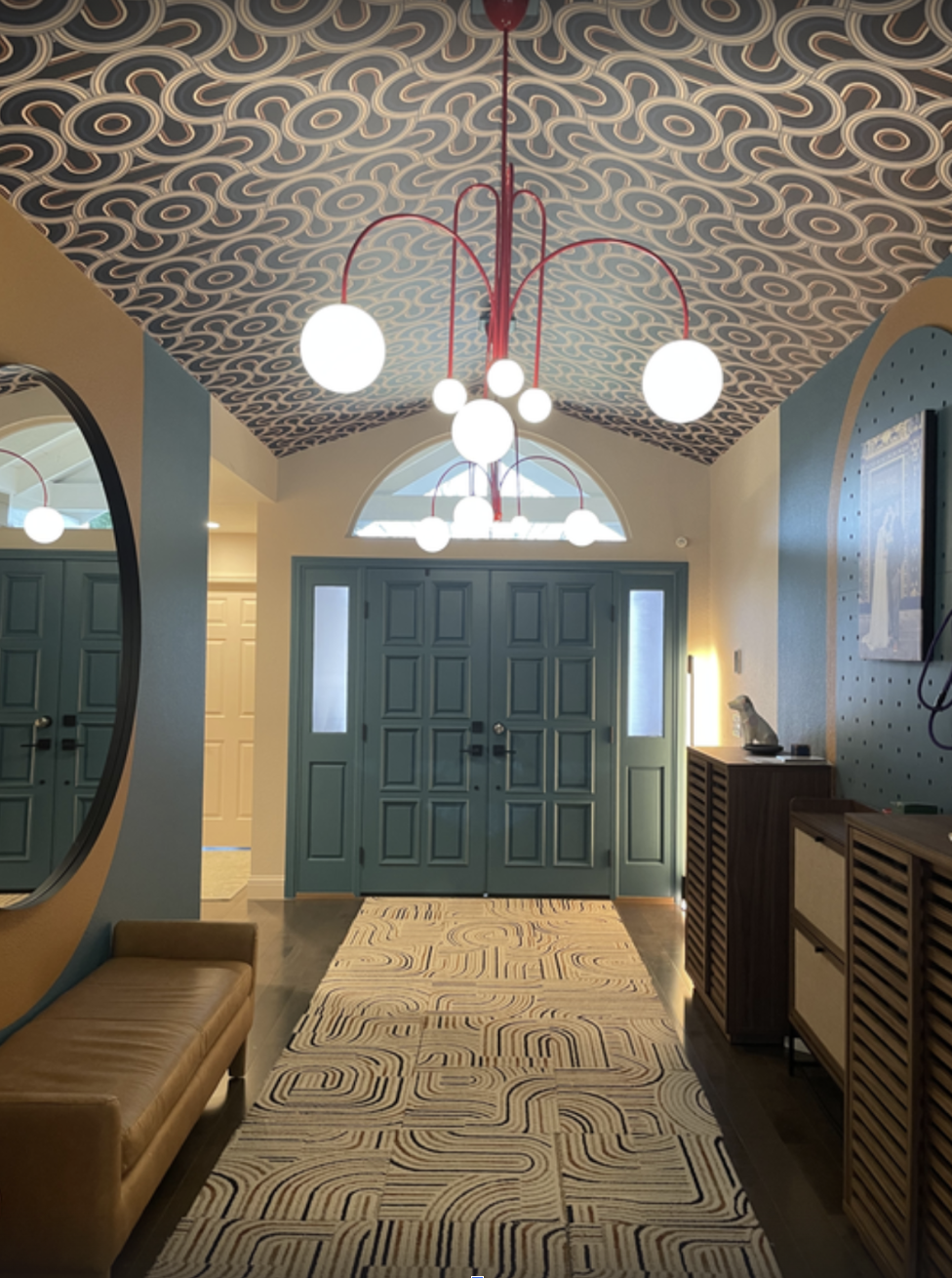
Designed by Paige Loczi Designed by Loczi Design
2026 Interior Design Trends: What They Have in Common and Why the Best Ones Will Still Feel Right in 2036
When you step back, all of these movements point to the same core ideas.
history
warmth
personal story
These are not trends. They are the things that have always made a home feel like a home. We are not interested in spaces that look good for a photo and feel empty to live in. Every decision we make is for the person who wakes up there every day.
If any of these ideas feel aligned with how you are thinking about your home in 2026, we would love to explore what that could look like in your space.