
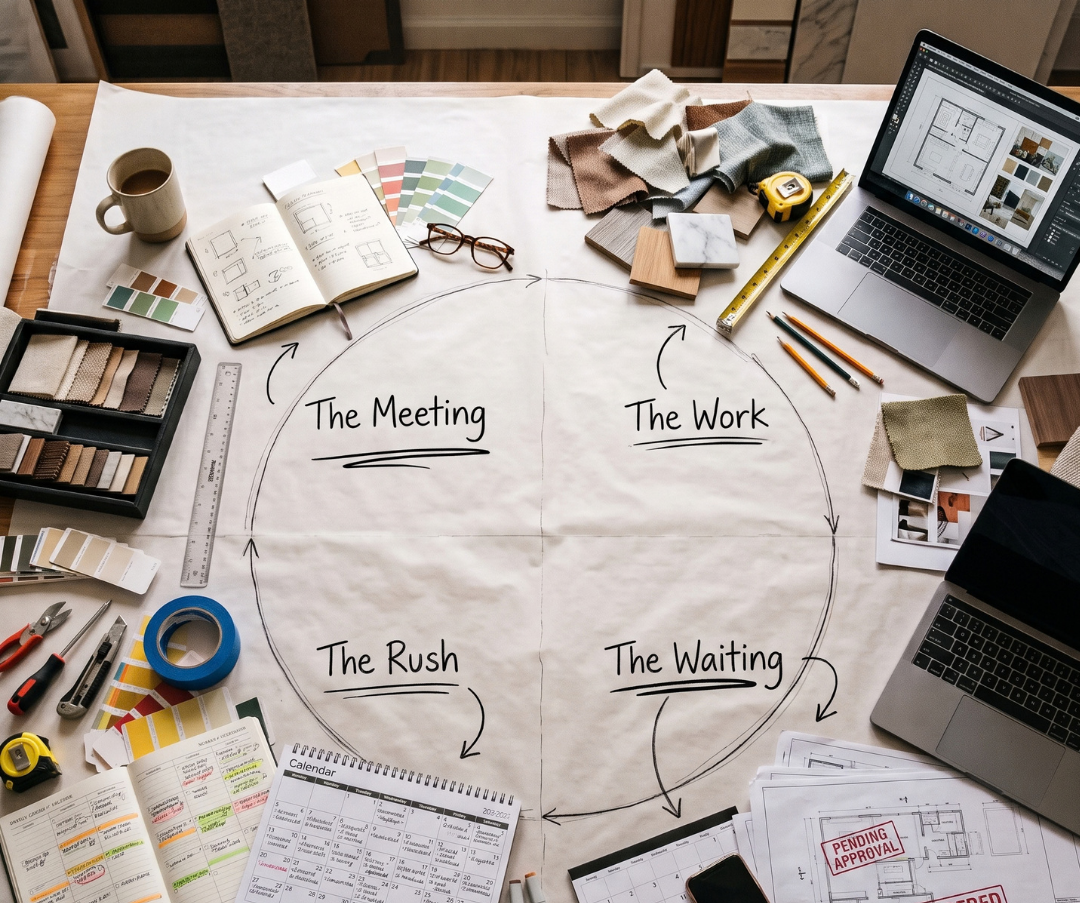
The Meeting. The Work.
The Waiting. The Rush.
A full-service interior designer guides a project from the earliest ideas and space planning through selections, drawings, purchasing, coordination and final installation.
Every home is different, but at Loczi Design, we organize that experience into four broad phases: The Meeting, The Work, The Waiting and The Rush.
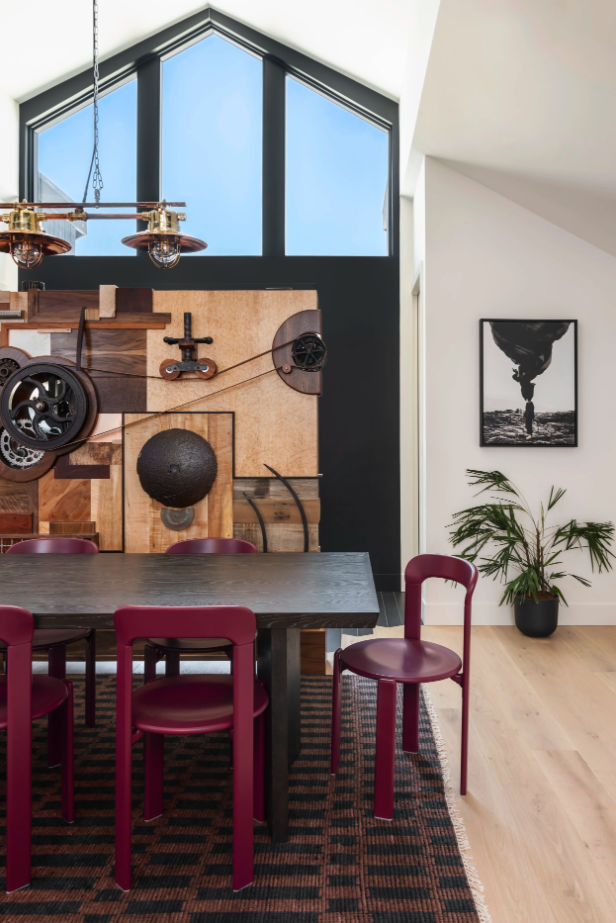
That sounds tidy. Interior design itself rarely is.
You may be excited to transform your home and still have very reasonable questions about what happens after you hire a designer. How involved will you need to be? When will you see the design? Why does everything take so long? What is happening when the project feels quiet? And who is dealing with the sofa that arrived with one leg apparently designed for a different piece of furniture?
The short answer is: we are.
Great design may feel effortless when it is finished, but getting there requires hundreds of coordinated decisions. A defined process does not restrict creativity. It gives every decision a place, a purpose and the right time to be made, so bold ideas can become a beautiful, functional and buildable home.
What Does a Full-Service Interior Designer Do?
A full-service interior designer manages both the creative and operational sides of a project.
Full-service interior design is best suited to homeowners undertaking larger renovations, new construction, whole-home furnishings or complex projects that require multiple professionals, vendors and trades to work together.
We develop the overall direction, translate the way you live into functional layouts, specify materials and furnishings, create the drawings needed to communicate the design, and coordinate those decisions with the architects, contractors, fabricators and vendors involved.
Then we price, propose, purchase, track, receive, inspect and install what has been approved.
That is the difference between full-service interior design and a consultation or decorating-only service. A consultation may help you solve a specific question. Decorating generally focuses on furnishings and the decorative layer. Full-service design is responsible for connecting all the layers, from space planning, cabinetry and lighting to the sofa, art and final styling.
You are not simply hiring someone to find attractive things. You are hiring a team to make sure those things fit the room, work together, arrive when they should and support the way you actually live.
You can see the broader scope of our full-service interior design process and the work that carries a project from the first conversation through installation.
The Four Phases of Our Full-Service Interior Design Process
Loczi's process moves through four interconnected phases. The early phases define and develop the design. The later phases turn hundreds of approved details into a finished home.
The Meeting: We learn how you want to live and establish the project's direction.
The Work: We develop the complete design and guide the major decisions.
The Waiting: We finalize, order, track and coordinate everything required to execute it.
The Rush: We oversee installation, refine the details and bring the complete design together.
The phases are sequential, but they are not sealed compartments. Procurement may begin early for a long-lead item. A construction condition may send us briefly back into design development. A discontinued fabric may require a new selection. Interior design is not a relay race where one person drops the baton and walks away. It is more like a very stylish orchestra, with a lot of people playing different parts at once.
Phase One: The Meeting
Defining How You Want Your Home to Look, Feel and Function
The first phase establishes the project's goals, scope, priorities and creative direction. Before we determine how your home should look, we need to understand how you want to live in it.
What Happens During the Initial Interior Design Meetings?
We begin with introductions, a project kickoff and time in the home. We study the existing conditions, architecture, natural light, circulation and how the rooms relate to one another. We also talk about routines, entertaining, children, pets, collections, storage, privacy and all the things that make a house work beautifully in real life.
This is not a quiz about whether your style is modern, traditional or whatever word Pinterest assigned it last week.
We want to know where everyone gathers on Saturday morning. Whether the dining room is used every evening or twice a year. Whether the kitchen needs to support one serious cook or a whole family moving through it at once. Whether the dog believes the chaise belongs to them. These answers are often more revealing than a stack of inspiration images.
We also discuss the project's scope, investment, desired timing and known constraints. A beautiful idea is only useful when it responds to the actual home and the realities surrounding it.
If you want a deeper look at how we begin these conversations, our article on 13 questions to ask an interior designer is a helpful place to start.
What Will We Need From You?
We need honesty more than expertise.
Tell us what is not working, even if you cannot explain why. Identify the people who will participate in decisions and the rooms or problems that matter most. Show us the furniture, art, collections or architectural details that should remain. Tell us how you want the finished home to feel and whether a move, new baby, holiday, school year or other life event affects the timing.
You do not need to arrive with a fully developed design style. You do not need to know the name of every stone or wood species you like. You do not even need to agree with your partner about everything before we meet.
Part of our job is finding the common threads, noticing patterns in what you respond to and turning a collection of preferences into a direction that feels cohesive and personal.
What Comes Out of This Phase?
By the end of The Meeting phase, we should share a clear understanding of the project scope, functional priorities, creative direction and the decisions ahead.
This is where curiosity becomes clarity.
Phase Two: The Work
Developing the Complete Interior Design
The Work is where the agreed-upon direction becomes a complete design. Our team develops layouts, drawings, materials, furnishings and coordinated recommendations that can be presented, priced, approved and ultimately executed.
It is usually the largest and most intensive phase because creative decisions and technical decisions are being developed together.
What Does the Interior Designer Work On During Design Development?
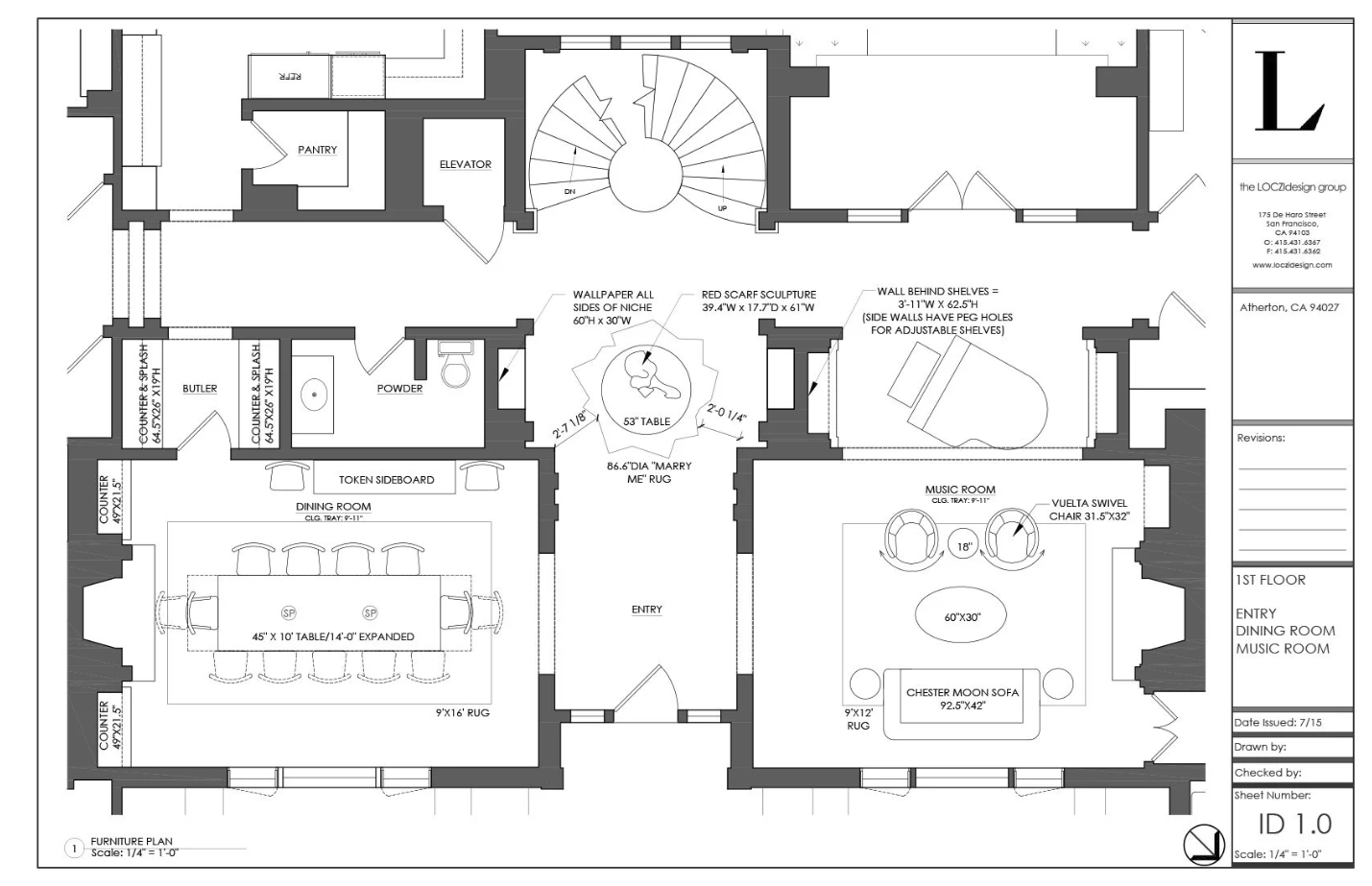
We create space plans and furniture layouts, CAD drawings, elevations and other design documentation. We source finishes, fixtures, furniture, lighting, art and accessories. When the project calls for it, we design custom cabinetry, millwork, built-ins or furnishings.
At the same time, we are coordinating with architectural and construction plans, confirming dimensions, studying lead times and building preliminary cost projections. A beautiful selection that does not fit, cannot be installed or blows up the larger budget is not a successful selection.
How Are Design Decisions Presented and Approved?
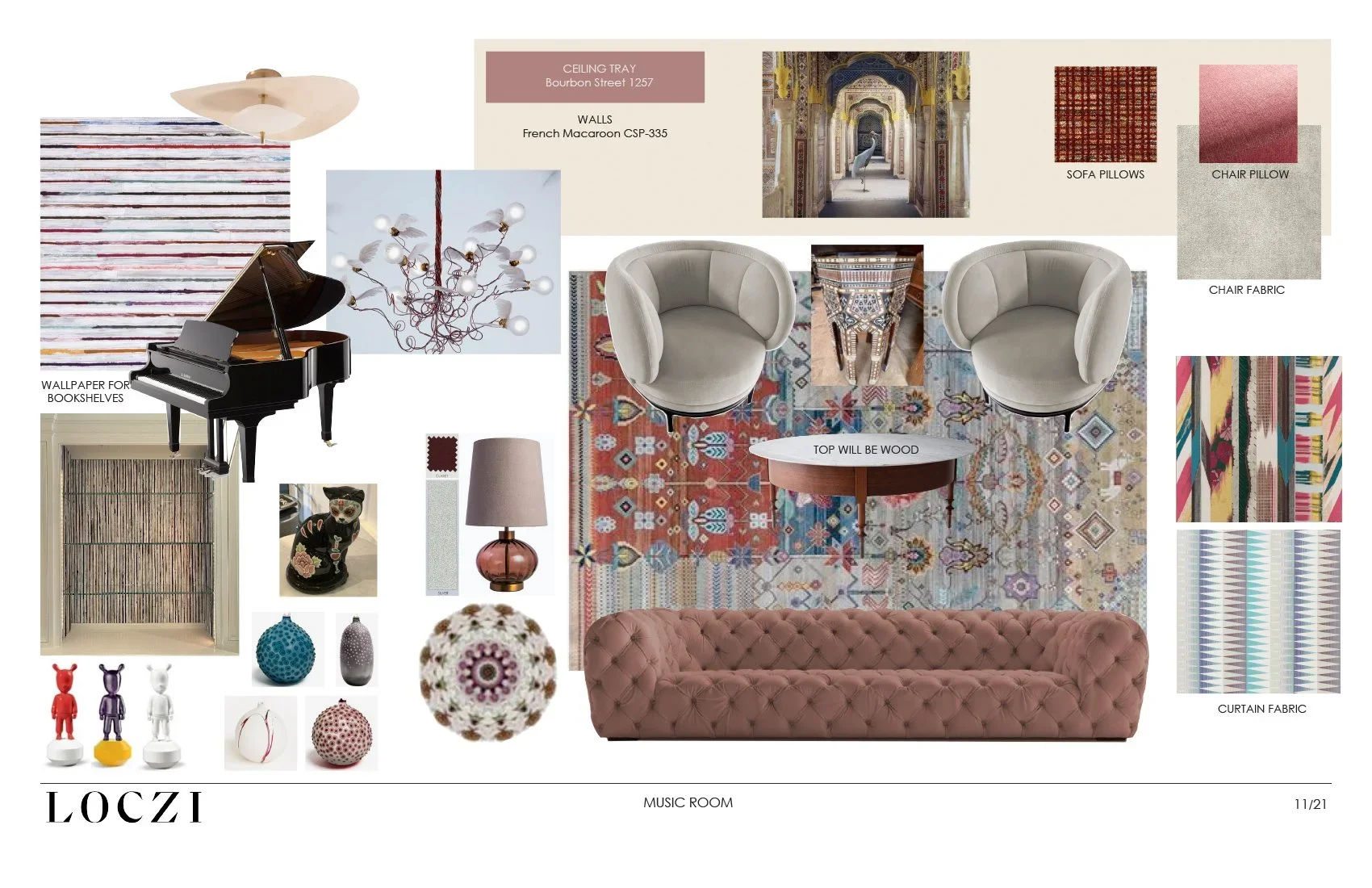
We present a cohesive design rather than dropping a series of disconnected choices into your inbox.
You will see how colors, materials, forms, lighting and furnishings relate to one another. We explain what we are recommending and why, then gather feedback at planned decision points. Revisions are built into the process because the strongest projects develop through conversation.
We do ask clients to consolidate feedback and respond within the agreed timeframes. This is not about rushing anyone through an important decision. Timely decisions help protect momentum, pricing and product availability. One late approval can affect several selections behind it, particularly when construction or custom fabrication is involved.
Our earlier article, Our Interior Design Process: Inspiration to Installation, explores the more creative side of moodboards, sourcing and developing the design language of a home.
Why Does This Phase Take Time?
A successful design must be beautiful, functional, technically appropriate, available and aligned with the project's investment. Every selection lives in relationship to several others.
A furniture plan can affect outlet and lighting locations. The thickness of a countertop affects the surrounding millwork. A custom sofa affects room dimensions, fabric quantities, freight, access and delivery planning. A tile selection can change installation methods, labor costs and the construction schedule.
This is why The Work extends far beyond simply picking materials. We are testing how hundreds of individual decisions behave as one home.
Phase Three: The Waiting
Procurement, Coordination and the Progress You May Not See
The Waiting may feel quieter to the homeowner, but it is not a pause. Our team is finalizing specifications, requesting quotes, preparing proposals, placing and tracking orders, monitoring the budget and coordinating with vendors and the construction team.
Your inbox may be calm. Ours is not.
What Is Interior Design Procurement?
Interior design procurement is the process of pricing, purchasing, tracking, receiving and inspecting the furnishings, fixtures and materials approved for a project.
Once an item is approved, we confirm final pricing, dimensions, finishes, quantities, lead times and shipping information. We prepare the purchasing proposal, place the order and review the vendor's acknowledgment to make sure the order matches what was specified.
Then we track it.
Freight is coordinated. Deliveries are sent to a professional receiver when appropriate. Pieces are inspected and stored until installation. If something arrives damaged, incomplete or looking suspiciously unlike the thing we ordered, we work with the vendor on a claim, repair, replacement or reselection.
This is one of the largest benefits of full-service design. You are not spending your afternoon trying to convince a freight carrier that a crushed corner does, in fact, qualify as damage.
Why Are There Waiting Periods in an Interior Design Project?
Custom furniture and millwork must be made. Specialty materials may travel from several locations. Products have different lead times. Construction must reach the right stage before certain items can be measured or installed. Deliveries are often consolidated so that installation can happen efficiently and with fewer disruptions.
Custom furnishings commonly require 16 to 24 weeks, and some specialty lighting, cabinetry or made-to-order pieces take longer. A fabric may be woven in one country, applied to a piece fabricated somewhere else and delivered through an entirely different freight network.
Waiting is not inactivity. It is controlled preparation.
What Is the Design Team Managing During This Phase?
We continue refining drawings and specifications, sourcing necessary replacements, managing purchasing, tracking the design budget and responding to questions from the project team. We coordinate with vendors, fabricators, contractors and trades so that the approved design remains connected as the work progresses.
Unexpected things happen. A product is discontinued. A dye lot changes. A site dimension does not match the original drawing. A shipment goes somewhere it has no business going.
When that happens, we assess the effect on the design, budget and schedule, then recommend the solution that best protects the overall project. The goal is not to pretend surprises never happen. It is to keep each surprise from becoming the homeowner's second full-time job.
How Does Loczi Keep Clients Informed?
Our clients receive a weekly recap that summarizes what happened, what is coming next, what decisions are needed and any issues that require attention. We also provide a more detailed monthly project progress report that reviews the broader project status, schedule and budget.
When a change affects pricing or requires approval, we bring it to the client rather than burying it in a general update. Your lead designer remains the primary point of contact and coordinates design information with the other professionals involved.
For renovation and new-construction projects, this phase works best when the full team is aligned. We explain why in Why the Most Successful Remodels Start With the Right Team.

Phase Four: The Rush
Installation, Styling and the Final Reveal
Installation is the concentrated final phase when deliveries, tradespeople and design details converge. Our team oversees placement, styling, corrections and final walkthroughs so the completed home reflects the design that was approved.
This is when the energy changes.
What Happens During an Interior Design Installation?
Before installation begins, we confirm schedules and access to the home. Furnishings are delivered and inspected. Installers and specialty trades may be placing furniture, hanging lighting, installing drapery, mounting art and completing other details throughout the house.
The Loczi team directs placement, checks the work against the plans and specifications, styles each room and makes the small adjustments that help the whole design settle into place.
We also identify missing, damaged or incomplete items and determine what happens next. Not everything always arrives on the same day, and a reveal does not magically erase the punch list.
Why Is Installation Called The Rush?
Because months of separate decisions suddenly arrive at once.
Furniture comes through the door. Rugs are unrolled. Drapery goes up. Art finds its wall. Someone is steaming a pillow. Someone else is looking for the lamp that was definitely here five minutes ago.
Multiple vendors and installers may be working in the home, and our team is making real-time adjustments as rooms change around us. A plan that has existed in drawings, samples and individual orders can finally be experienced as a whole.
It is controlled chaos, design adrenaline and one of our favorite parts of the job.
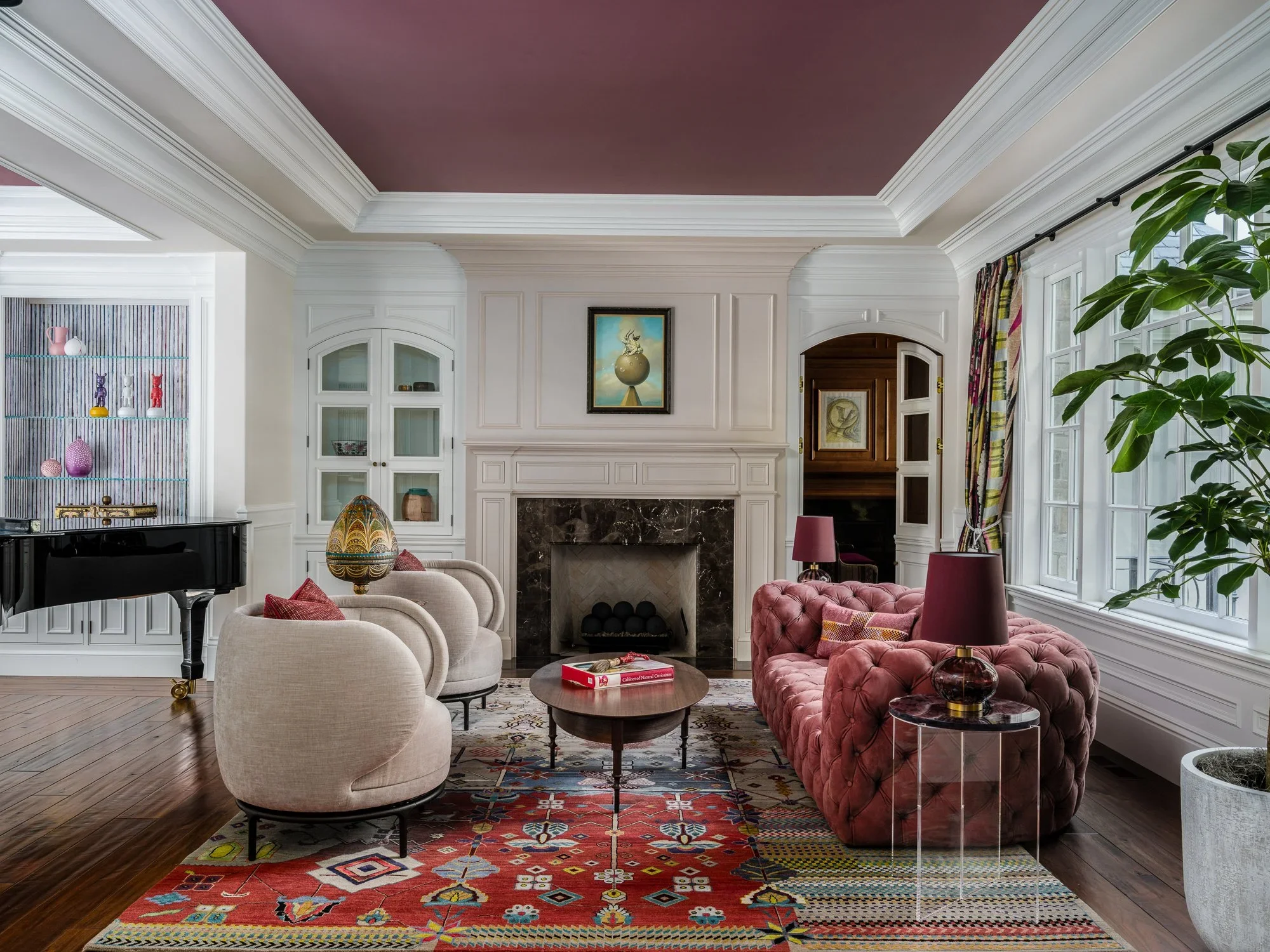
What Happens After the Reveal?
We walk the project, create a punch list and coordinate corrections, replacements and outstanding items. We complete a final styling review, guide the client through relevant care and maintenance information and prepare a summary book documenting important details about the completed home.
Then we follow up after you have had time to live in the space.
The reveal is a milestone, not a disappearing act. Some of our favorite projects begin with clients we have already worked with, returning years later for another floor, a guest house, a vacation home or a new chapter entirely.
How Long Does the Full-Service Interior Design Process Take?
A full-service interior design timeline depends on the size and complexity of the home, construction scope, custom elements, product lead times and the speed of decisions and approvals.
As a broad planning guide:
These are not guaranteed schedules. A furnishings project using mostly available pieces may move more quickly. A single room filled with custom work may take longer than several rooms using readily available furnishings. Renovation and new construction timelines also depend heavily on permitting, the contractor's schedule, trade availability and conditions discovered during the work.
Requested completion dates matter, and we discuss them early. The most useful timeline is an honest one, built around the actual project rather than a date everyone knows is imaginary but feels too polite to question.
For a candid look at the human side of living through the process, read The Psychology of a Remodel.
What Is Expected of the Homeowner During the Design Process?
Homeowners do not need to manage every detail, but the process works best when they communicate priorities clearly, provide timely feedback, approve decisions and trust the agreed-upon direction.
Be candid about how you live and what you are comfortable investing. Identify all decision-makers early. Consolidate feedback so the design team is not trying to reconcile three versions of the same conversation. Let us know when priorities change, and ask questions when something is unclear.
Most importantly, TRUST THE PROCESS. Allow the design team to coordinate the details and advocate for the complete design.
We want our clients involved in the decisions that shape their home. We do not want them spending their evenings tracking freight, translating construction questions or comparing six nearly identical appliance specifications unless that happens to be their idea of a good time.
Why a Structured Interior Design Process Creates a Better Home
A defined process reduces avoidable surprises, strengthens coordination and makes sure aesthetic decisions support the way the home needs to function.
It aligns the team before major money is committed. It reduces disconnected or last-minute decisions. It allows more accurate pricing and documentation. It identifies long-lead items early and gives the designer, architect and builder a shared framework for making decisions.
Most importantly, it creates a more cohesive finished home while placing less pressure on the homeowner to manage every moving part.
Process is not the opposite of creativity. It is what lets creativity become real.
Take a look through our completed projects to see what happens when the practical and creative sides of design are developed together.
Frequently Asked Questions About Working With an Interior Designer
When should I hire an interior designer?
Ideally, bring the interior designer in before architectural plans, construction budgets and major finish decisions are finalized. Early involvement allows the designer to influence layouts, lighting, cabinetry, materials and furniture planning while the larger project is still flexible. We can join a project later, but earlier coordination usually means fewer revisions and stronger alignment among the full team.
How involved will I need to be in the interior design process?
Clients are most involved when establishing priorities, reviewing design presentations, providing feedback and approving recommendations. Once those decisions are made, the design team manages the detailed research, documentation, procurement and coordination required to carry them through. You remain informed and involved without needing to personally manage every product, vendor or trade conversation.
Do I need to know my interior design style before the first meeting?
No. A good interior designer helps uncover your preferences by learning how you live, what you respond to and how you want the home to feel. Inspiration images are helpful, but you do not need a label for your style. Finding the connections among your ideas is part of the designer's role.
How Long Does a Full-Service Interior Design Project Take?Why does custom interior design take so long?
Custom design requires coordinated planning, approvals, pricing, fabrication, shipping and installation. Furniture, lighting, cabinetry and specialty materials may take weeks or months to produce. Early sourcing and active procurement help protect the schedule, but quality work still has a real production timeline. It cannot always be solved with faster shipping and positive thinking.
What happens if an item is delayed, damaged or unavailable?
The design team communicates with the vendor, evaluates the effect on the schedule and budget, files a claim when necessary and recommends the best repair, replacement or reselection. The goal is to solve the immediate problem without losing sight of the approved design or allowing one delayed item to create unnecessary disruption throughout the project.
Does an interior designer manage the contractor?
Loczi coordinates design information with the contractor and other professionals, answers design questions, reviews relevant work for alignment with the approved design and helps resolve issues affecting design intent. The contractor remains responsible for construction means, methods, sequencing, safety, site supervision and the performance of their trades. Clear roles and regular communication help the team work together without confusing design coordination with construction management.
What is included in full-service interior design?
Depending on the project, full-service interior design may include programming, space planning, interior architecture, material and finish selections, lighting, furnishings, custom design, drawings, budgeting, procurement, construction coordination, installation and final styling. The exact responsibilities are defined in the project's design agreement so the homeowner and design team understand the scope from the beginning.
How much does full-service interior design cost?
The cost of full-service interior design varies considerably based on the size of the home, scope of construction, level of customization, furnishings and materials selected, and length of the project. At LOCZI, budget and overall investment are discussed early so design decisions can be developed within a realistic financial framework.
Does LOCZI Design work on renovations as well as furnishing projects?
Yes. LOCZI Design works on everything from furnishing and decorating projects to substantial renovations and new construction. For renovation projects, we collaborate with architects, contractors and trades on space planning, kitchens and bathrooms, lighting, custom millwork, materials and finishes. For furnishing projects, we focus on furniture, lighting, rugs, window treatments, art and styling to create a home that feels cohesive, personal and complete.
Begin With a Conversation
Every Loczi project begins with a conversation about how you live now and how you want to live next.
From the first meeting through installation, our four-phase process gives bold creative ideas the structure, coordination and attention they need to become a home that feels entirely your own.
Tell us about your project. No hard sell. We would simply love to hear what you are thinking about.
More Links to consider
San Francisco interior design projects
Our full-service interior design services
Working with architects and contractors